


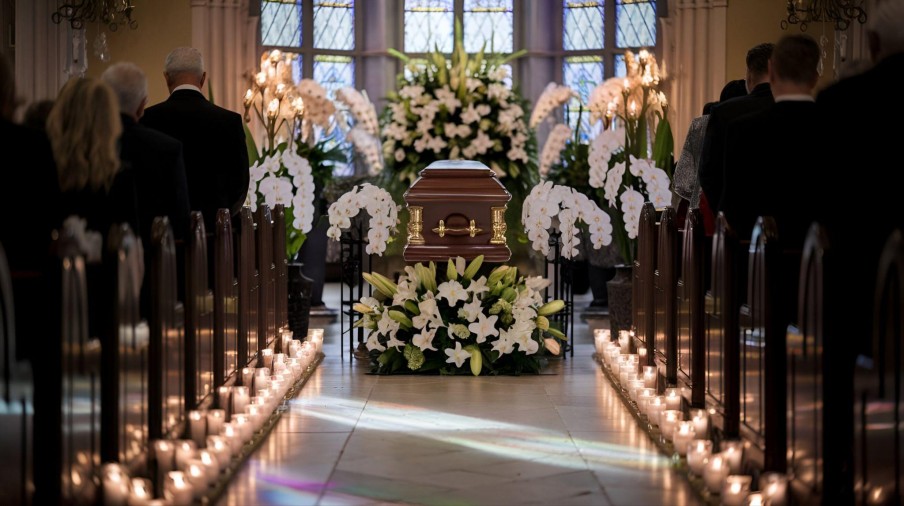
Arranging a Christian funeral involves several decisions that need to work together, particularly when the funeral service, wake, burial or cremation take place at different locations. Transport arrangements can affect the timing of each stage, so families should settle these details early rather than treating them as a final logistical matter.
When comparing a Christian funeral package in Singapore, consider how funeral transport fits into the wider arrangement. Confirming the vehicle, schedule and locations can help the family understand what will happen on the day and reduce uncertainty during an already difficult period.
1. Where Will the Hearse Need to Travel?
Start by identifying every location involved in the funeral arrangements. The hearse may need to travel between the funeral home, wake venue, church, crematorium or burial site, depending on the family’s chosen arrangements.
The route and distance can influence scheduling, particularly when several locations are involved on the same day. Providing the funeral service provider with the complete itinerary allows transport arrangements to account for the different stages.
Families should also confirm whether any location has specific access arrangements or restrictions that could affect vehicle movement.
2. What Type of Hearse Arrangement Is Required?
A hearse provides an important part of the funeral procession, but families should understand exactly what the arrangement includes. Ask about the vehicle provided, how it will be used and whether it is suitable for the planned itinerary.
When arranging a hearse in Singapore, confirm whether the vehicle will remain available for the required stages of the funeral or whether separate transport arrangements apply at different points.
The family should also understand who coordinates the vehicle and communicates timing changes on the day.
Questions to Ask
Before confirming funeral transport, families can ask:
- Which locations will the hearse cover?
- What time will the vehicle arrive at each location?
- Who coordinates the transport schedule?
- Are there additional transport arrangements for family members?
- What happens if the funeral timetable changes?
- Are the church, crematorium or burial site requirements already accounted for?
3. How Does Transport Fit the Christian Funeral Service?
Christian funeral arrangements may include a church service, prayer service or other elements that influence the day’s schedule. Transport needs to accommodate these arrangements rather than operate independently from them.
Confirm the expected arrival and departure times for each service. Families should also establish how much time they need between locations so that relatives and other attendees can follow the procession without unnecessary pressure.
If the funeral involves a specific church, provide the service provider with the confirmed ceremony details as early as possible. This allows the transport schedule to reflect the actual order of events.
4. Who Needs Transport Besides the Deceased?
The hearse addresses the transportation of the deceased, but family members and other attendees may also require transport depending on the funeral arrangements.
Ask whether additional vehicles are needed for close family members, especially when the funeral involves several locations. Consider how elderly relatives or attendees with mobility difficulties will travel between the wake, church and final destination.
Planning these arrangements together can help prevent families from discovering transport gaps shortly before the service begins.
5. How Much Time Should You Allow Between Locations?
Funeral schedules need enough flexibility to accommodate travel time and the practical requirements of each location. A tightly arranged itinerary can become difficult if traffic, venue procedures or other unexpected delays affect the journey.
Discuss the expected travel times with the funeral service provider and confirm when the hearse should arrive at each destination. The family should also understand which timings remain fixed, particularly when a church service or cremation appointment follows.
A realistic schedule gives everyone clearer expectations and allows the day to proceed with less avoidable pressure.
6. What Happens if the Schedule Changes?
Funeral arrangements can change for practical reasons, so families should understand how transport coordination works if the original timetable needs adjustment.
Ask who should be contacted if the service begins later than expected or if a location changes. Clarify whether the transport team communicates directly with the church, venue or crematorium, or whether the family needs to coordinate those updates.
Knowing the communication process beforehand can prevent family members from having to manage several logistical details themselves on the day.
Coordinating the Final Itinerary
Funeral transport works best when families consider it as part of the wider funeral schedule rather than as an isolated service. Confirm the locations, vehicle arrangements, timing, additional transport needs and communication process before finalising the plan.
These details can also help families compare a Christian funeral package in Singapore more carefully, particularly when different providers offer different arrangements for transportation and ceremony coordination.
Contact Hosanna Eternal Services to discuss a Christian funeral package in Singapore and clarify the hearse arrangements, transport schedule and ceremony requirements for your family.