


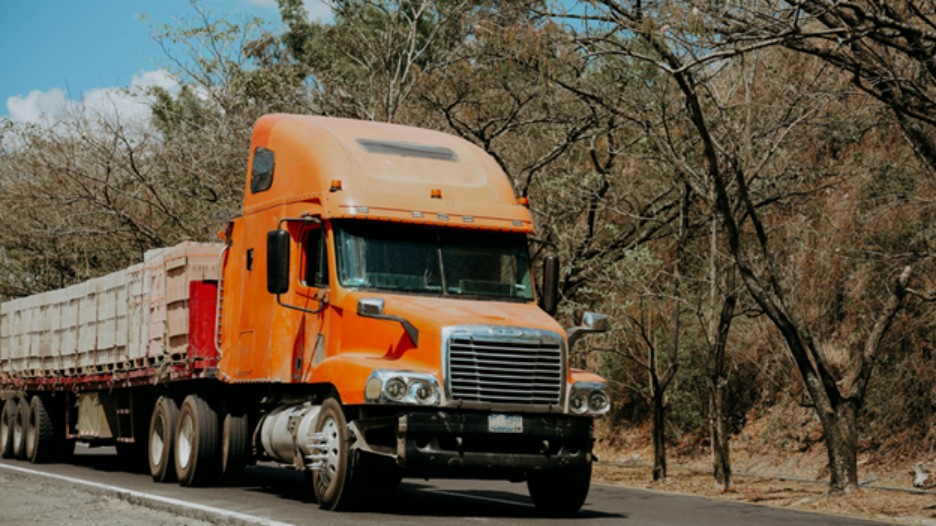
Choosing the right Commercial Driver’s License (CDL) training academy is the most critical decision you will make at the starting line of your trucking career. While it is tempting to simply pick the closest school with the lowest price tag, the quality of your initial training dictates your safety, your confidence, and your starting salary potential.
Not all trucking schools are created equal. Some operate like high-volume factories designed to help you barely pass the state test, while others invest heavily in turning you into a highly employable, safety-minded professional. As a student driver exploring your options, keep these five essential factors at the top of your checklist.
1. Robust Driving Simulators and High-Tech Training Tools
Long before you ever pop the clutch on a live 80,000-pound rig, you should have the opportunity to build muscle memory in a controlled environment. High-fidelity driving simulators have revolutionized modern CDL training. They allow student drivers to experience extreme scenarios—such as tire blowouts, sudden black ice, brake failures on steep mountain grades, and heavy crosswinds—without any real-world danger.
Look for an academy that integrates simulator time directly into its weekly curriculum. Transitioning from a digital simulator cockpit to the actual driver’s seat dramatically shortens the learning curve and reduces the anxiety that almost every new driver experiences during their first few days on the backing pad.
2. Modern Equipment and Diverse Trailer Types
You cannot learn 2026 trucking technology in a broken-down 1998 truck. When evaluating academies, tour their yards and look closely at the training fleet. Are the trucks clean, well-maintained, and reflective of what major carriers actually run today?
Furthermore, ensure the school exposes you to multiple types of transmissions and trailers. While automatic transmissions are standard in modern fleets, learning on a manual ensures you do not get a restrictive code on your CDL license. Training should also expose you to various freight types—such as dry vans, refrigerated units, and flatbeds—giving you a broader understanding of how different loads affect your stopping distances and cornering maneuvers.
3. A Low Student-to-Instructor Ratio
The legal requirements for passing a CDL exam are strict, and mastering the pre-trip inspection alone requires memorizing dozens of mechanical components. If you join a class where forty students are sharing a single truck and one instructor, you will spend most of your day standing on the hot asphalt watching other people drive.
Prioritize academies that guarantee small class sizes and low student-to-instructor ratios, ideally no more than four students per instructor during yard and road training. You need personalized, real-time feedback when you are trying to master a 90-degree alley dock or a parallel park. Personalized instruction prevents bad habits from forming early on.
4. Comprehensive Range and On-Road Experience
Passing the CDL exam requires three distinct skill sets: the pre-trip inspection, basic vehicle control (yard maneuvers), and actual road driving. A great academy allocates ample time to all three, rather than rushing you through the road portion just to check a box.
Ask the admissions team exactly how many hours you will spend behind the wheel in live traffic. Your road training should not be limited to quiet country lanes. To be truly prepared for an OTR career, you need supervised experience navigating tight city intersections, merging onto busy interstate highways, and managing lane changes in moderate to heavy traffic.
5. Direct Pathways to Employment
The ultimate goal of attending a CDL academy isn’t just getting a piece of plastic; it is securing a high-paying job. The best training academies operate with strong, built-in relationships with major carriers, or they are owned and operated by carriers themselves.
These institutions often feature carrier recruiters who visit the classrooms, offer tuition reimbursement programs, and provide pre-hire letters to qualified students before graduation even arrives. If you are currently scanning the internet for transportation truck driving near me, look for programs that offer a clear, guaranteed pipeline from the classroom directly into a paid company training program.
The Bottom Line: Investing your time and resources into a premium training environment pays massive dividends. Choosing a school that prioritizes modern safety technology, low student-to-truck ratios, and direct employer hiring pipelines ensures that your first mile on the road is the first of a safe, prosperous, lifelong career.